The Kessler Settlement
A close-knit community of German Catholic immigrants on the northwest Missouri frontier.
The family behind the name
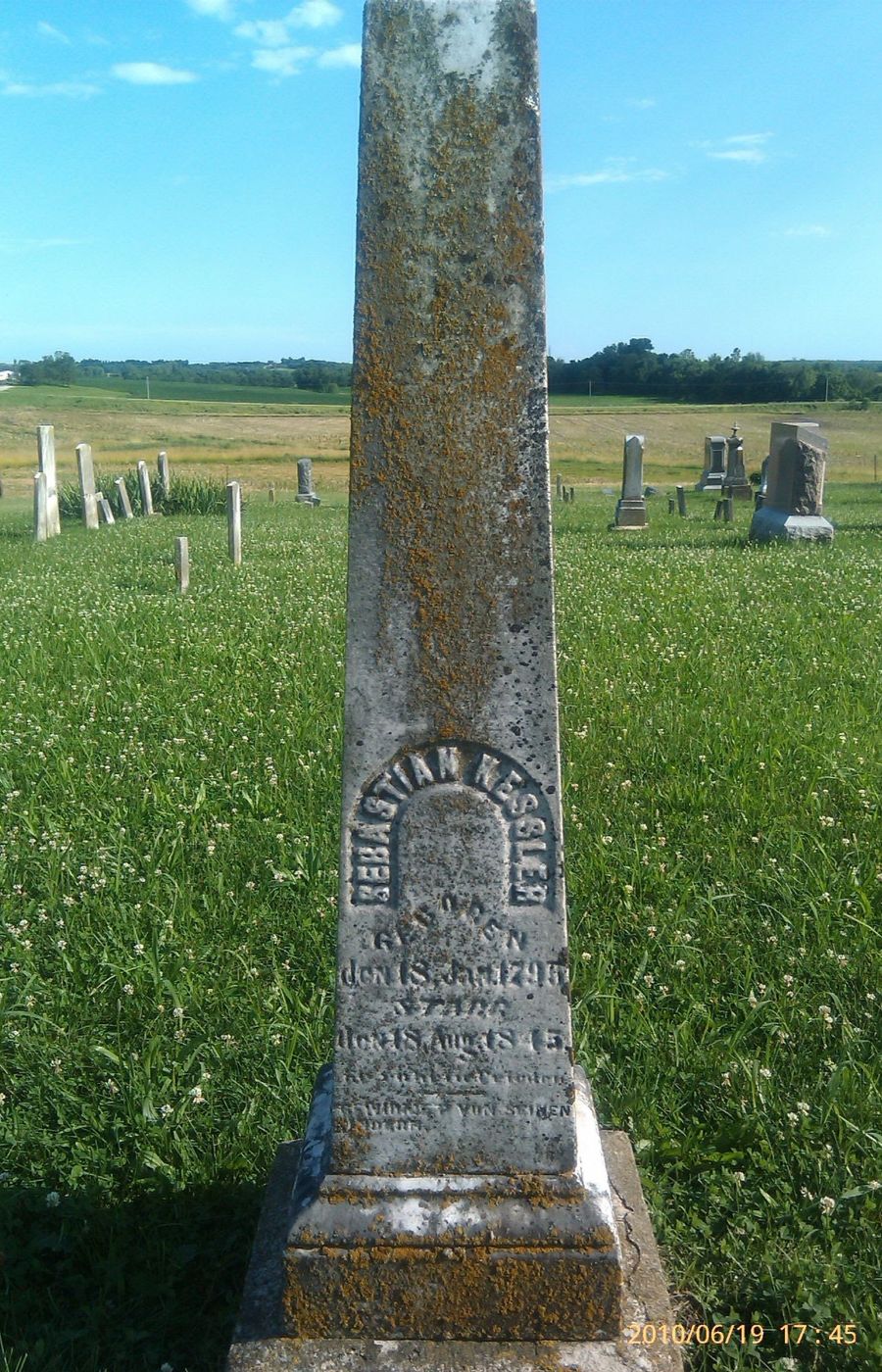
The Kessler family’s story is tied to the land of the settlement that bears their name. Sebastian Kessler Sr. and his wife Scholastika are believed to be the original patriarch and matriarch who first made a home on this tract in the early 1840s. After Sebastian Sr. died in 1845, his son Joseph and daughter-in-law Maria Louisa took over the family estate.
The Kesslers were founding residents and also the main benefactors of the community’s spiritual life, making sure their neighbors had consecrated ground for both worship and burial. Many family members, including Maria Louisa and Scholastika, are buried in Kessler Cemetery today.
An earlier sorrow
The family’s first Missouri loss came early. Their two-year-old son Johann Kessler died in 1839, and his monument at nearby Bowen Cemetery, on land the Bowen family gave to the local German farmers, is the oldest one there.
A new life on the frontier
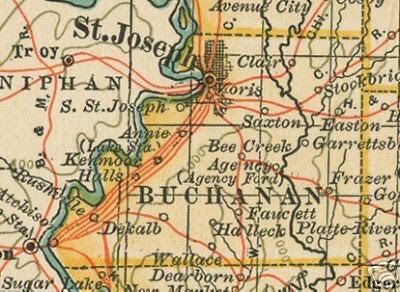
The Kessler Settlement grew in the mid-1840s into a close-knit community of German Catholic immigrants looking for a new life in Buchanan County. Many of the founding families, including the Wiedmaiers and the Sielas, arrived in the United States together on June 10, 1844, aboard the ship Iowa.
These pioneers included tradesmen such as the weaver Joseph Wiedmaier, and they soon built an “intelligent and prosperous” community of farmers. Jesuit missionaries performed the first recorded baptisms at the site in 1842. Social and religious life later centered on a modest log building, the Church of the Holy Savior, Jesus Christ, called the Kesler Settlement Church in some archives. It served the German congregation from about 1847 until at least 1853.
Those years were the settlement’s peak as an independent cultural center, before the region’s focus moved to the growing towns of Easton, platted in 1854, and Hurlingen.
Five acres for one dollar
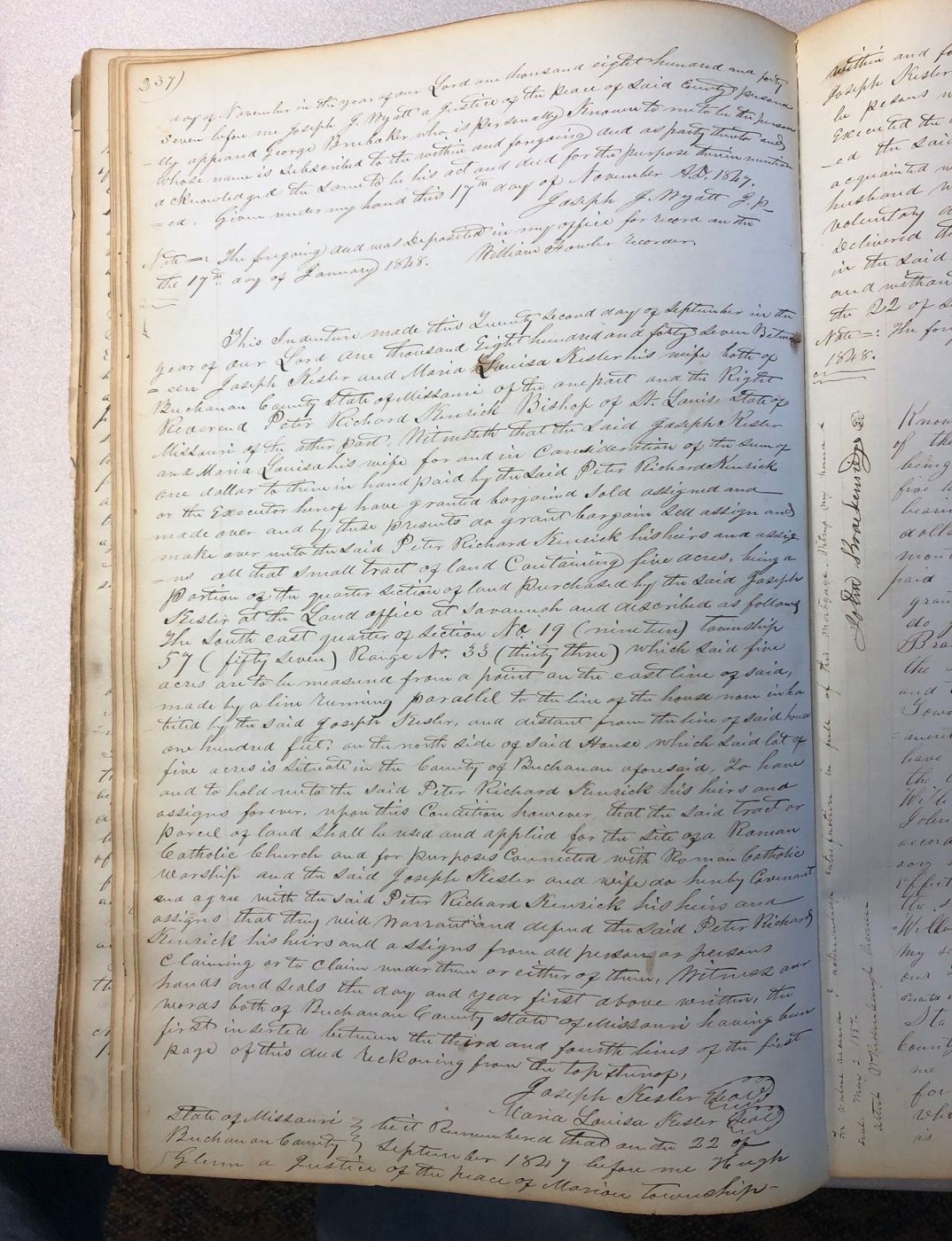
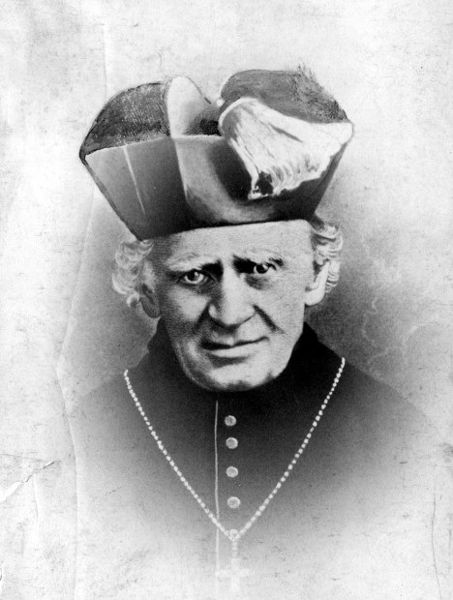
A pivotal moment came on September 22, 1847, when Joseph and Maria Louisa Kessler secured the community’s future by donating five acres of their land to the Catholic Church. By a legal indenture they granted the parcel to the Right Reverend Peter Richard Kenrick of St. Louis for the nominal sum of one dollar.
“…shall be used and applied for the site of a Roman Catholic Church and for purposes connected with Roman Catholic worship.”Kessler deed, 1847
The tract was surveyed to sit exactly one hundred feet north of the Kesslers’ own house, and it became the grounds of the Holy Savior Church and Kessler Cemetery. The deed was recorded on January 18, 1848, turning private family land into a sacred community landmark that has lasted nearly 180 years.
Written in the old registers
Much of what we know about the settlement comes from the sacramental registers kept by the church and the Diocese. Their handwritten pages, kept largely in Latin, record baptisms, marriages and burials, and they often hold the only surviving trace of the earliest settlers.
See the Church Records